

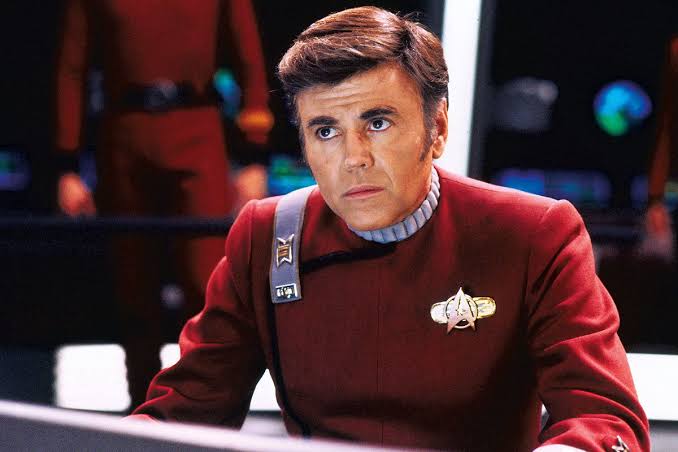
Walter Koenig was an American actor, writer, and teacher best known for playing Pavel Chekov on Star Trek. He joined the original television series in its second season and later reprised Chekov in seven feature films. He also earned a new generation of science-fiction fans as Alfred Bester, a recurring character on Babylon 5.
Koenig’s career included much more than those two roles. He performed in television, film, and theater, wrote for several television series, authored books and comics, and taught acting and directing. He died at his home in North Hollywood in October 2026, aged 90, according to reports from his representative. Associated Press CBS News
Walter Koenig at a glance
| Detail | Information |
|---|---|
| Full name | Walter Marvin Koenig |
| Born | September 14, 1936 |
| Birthplace | Chicago, Illinois, United States |
| Died | October 2026, in North Hollywood, California |
| Age at death | 90 |
| Nationality | American |
| Profession | Actor, writer, teacher |
| Best-known role | Pavel Chekov in Star Trek |
| Other notable role | Alfred Bester in Babylon 5 |
| Education | Grinnell College; University of California, Los Angeles |
| Acting training | The Neighborhood Playhouse, New York |
| Star Trek films | Appeared as Chekov in seven feature films |
| Hollywood Walk of Fame | Received a star in 2012 |
| Spouse | Judy Levitt, whom he married in 1965; she died in 2022 |
| Children | Danielle Koenig and Andrew Koenig |
Early life and education
Koenig was born in Chicago on September 14, 1936, and grew up in Manhattan. His parents were of Russian Jewish heritage, and his father worked in business. Koenig later studied at Grinnell College in Iowa, initially focusing on pre-medical studies, before transferring to UCLA.
He graduated from UCLA in 1958 with a degree in psychology. While there, he took an acting class and discovered he enjoyed performing. He then studied at New York’s Neighborhood Playhouse School of the Theatre for two years, preparing for a career on stage and screen. Associated Press
His move into acting was a change of direction from his original academic plans. The psychology background and formal acting training gave him a different perspective on character work, though Koenig’s career would become known especially for science-fiction television.
Early television roles
Koenig began appearing on television in the early 1960s. His early credits included Mr. Novak, Ben Casey, The Untouchables, The Lieutenant, Gidget, and I Spy. These guest roles helped him gain professional experience before he became part of a landmark science-fiction series.
Working on different shows exposed him to a variety of genres and acting styles. In the early years of television, performers often moved between dramatic series, guest appearances, and theater. Koenig continued to take on a range of projects even after his best-known role made him a recognizable face to audiences.
His work on The Lieutenant, a series created by Gene Roddenberry, helped bring him into contact with the producer who would later cast him in Star Trek. Koenig’s earlier credits also included performances in dramatic television that had little to do with science fiction, demonstrating that his career was not built around one genre alone. Television Academy Interviews
Becoming Pavel Chekov on Star Trek
In 1967, Koenig joined Star Trek during its second season as Ensign Pavel Chekov, the Enterprise’s young navigator. Chekov was introduced as a Russian member of the crew at a time when the Cold War was a prominent part of world politics. The character’s presence supported the show’s vision of a future in which people from former rival nations served together.
Chekov’s youthful energy, Russian-accented English, and enthusiasm became part of the character’s identity. Koenig’s performance added a light, personable quality to the Enterprise crew. He played the role through the series’ third season, which ended in 1969.
The show’s original run was relatively short, but it developed a lasting audience through reruns, conventions, and new projects. Koenig’s association with Chekov continued for decades. He returned to the character in seven Star Trek feature films beginning with Star Trek: The Motion Picture in 1979. Each film gave him more opportunities to develop Chekov beyond the brief bridge dialogue that had been common in the original series.
Koenig also appeared in other Star Trek media and wrote for the franchise. He wrote the Star Trek: The Animated Series episode “The Infinite Vulcan” and authored the 1980 book Chekov’s Enterprise. His writing work meant that his contribution to the franchise extended behind the camera and beyond his portrayal of Chekov.
Alfred Bester in Babylon 5
Koenig found another prominent science-fiction role in the 1990s when he was cast as Alfred Bester on Babylon 5. Bester was a powerful and calculating member of the Psi Corps, a group associated with people who have telepathic abilities. Unlike Chekov, Bester was a morally complex antagonist whose intentions and loyalties were often unsettling.
The contrast between the two characters gave Koenig an opportunity to show a different side of his acting. Chekov was warm and approachable; Bester could be cold, authoritative, and intimidating. Koenig appeared in multiple episodes from 1994 to 1998, and the role helped viewers see him as more than the actor who played Chekov.
In interviews, Koenig discussed how much he enjoyed the greater dramatic scope of Bester. The role was recurring rather than a permanent lead, but it placed the character at the center of several important storylines. His performance remains a highlight for many Babylon 5 viewers. Television Academy Interviews
Writing, teaching, and stage work
Koenig’s professional work also included screenwriting, books, comics, and teaching. He wrote scripts for programs including Family, The Incredible Hulk, Land of the Lost, and The Powers of Matthew Star. His writing experience gave him a deeper connection to the production process than acting alone.
He published memoirs and fiction, including Warped Factors: A Neurotic’s Guide to the Universe and the satirical fantasy novel Buck Alice and the Actor-Robot. He also created the comic-book series Raver. These projects allowed him to use humor and imagination in formats different from television.
Teaching was another important part of his career. Koenig taught acting and directing at UCLA and at other schools, including the Sherwood Oaks Experimental Film College and the California School of Professional Psychology. He also taught privately and worked with repertory actors. His work as an educator carried his experience into classrooms and workshops, where he could help other performers develop their craft. Official Walter Koenig website
Koenig appeared in more than three dozen stage productions, according to a Los Angeles Times profile. One of his acclaimed theatrical performances was as an older Tom Sawyer in The Boys in Autumn, a play imagining a reunion between Tom and Huck later in life. The role showed a more reflective and theatrical side of his career, separate from the science-fiction characters for which he was most widely recognized. Los Angeles Times
Awards and recognition
Koenig received a star on the Hollywood Walk of Fame in 2012, recognizing his decades of work in television, film, and theater. The ceremony was attended by family, friends, and fellow Star Trek cast members.
His work as Chekov brought him a lasting place in a major television franchise, while his performance as Bester introduced him to viewers who may not have known the original Star Trek. The two roles represented very different kinds of characters, but together they helped define his legacy in science-fiction television.
Koenig was also recognized for his writing, teaching, and long relationship with fans. Through conventions and public appearances, he remained connected with the Star Trek community. His colleagues described him as more than the character he played, emphasizing his thoughtfulness, loyalty, and creative work. Associated Press
Personal life
Koenig married actress and designer Judy Levitt in 1965. They had two children: daughter Danielle and son Andrew. Levitt appeared in acting roles as well, including a part in Star Trek: Generations. She died in 2022.
Their son, Andrew Koenig, was also an actor, best known for playing Richard “Boner” Stabone on Growing Pains. Andrew died in 2010 at age 41. Walter Koenig later spoke publicly about his son’s death by suicide and his mental health struggles. The subject was a deeply personal loss for the family, and it should be discussed with care and without speculation.
At the time of Walter Koenig’s death, his daughter Danielle survived him. His representative said that he died at home in North Hollywood, surrounded by his daughter and niece. News reports did not provide a confirmed cause of death. Associated Press
Frequently asked questions
Who was Walter Koenig?
Walter Koenig was an American actor, writer, and teacher best known for playing Pavel Chekov on Star Trek and Alfred Bester on Babylon 5.
When did Walter Koenig die?
Koenig died in October 2026 at age 90. His representative said he died at home in North Hollywood, California. Published accounts differed on the exact day, so this article gives the month.
What character did Walter Koenig play in Star Trek?
He played Pavel Chekov, a young Russian navigator aboard the USS Enterprise. Koenig joined the original series in its second season and later played Chekov in seven feature films.
Who was Alfred Bester in Babylon 5?
Alfred Bester was a recurring character in Babylon 5, portrayed by Koenig. Bester was an influential member of the Psi Corps and often served as an antagonist.
Did Walter Koenig write for Star Trek?
Yes. He wrote “The Infinite Vulcan,” an episode of Star Trek: The Animated Series, and authored the book Chekov’s Enterprise.
Was Walter Koenig married?
He was married to actress and designer Judy Levitt from 1965 until her death in 2022. They had two children, Danielle and Andrew.
Did Walter Koenig receive a Hollywood Walk of Fame star?
Yes. He received a star on the Hollywood Walk of Fame in 2012 for his contributions to television and entertainment.
What books did Walter Koenig write?
His books include Chekov’s Enterprise, Warped Factors: A Neurotic’s Guide to the Universe, and Buck Alice and the Actor-Robot. He also created the comic-book series Raver.
Final Word
Walter Koenig’s career reached far beyond the role that first made him famous. Pavel Chekov became a lasting part of Star Trek, while Alfred Bester showed his range in a very different science-fiction universe. Koenig also wrote for television, authored books and comics, performed on stage, and taught acting and directing. His work left a lasting mark on science-fiction entertainment and on the audiences who followed his career.