

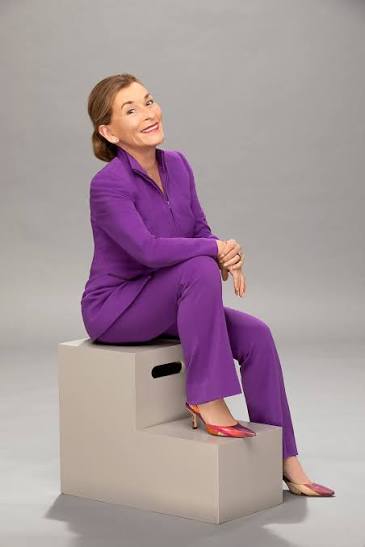
People asking about Judge Judy’s ethnicity are often looking for a simple answer about her family background. The clearest one is that she is Jewish American, with Jewish heritage on both sides of her family, according to biographical sources. It is useful, though, to separate ethnicity from religious practice: Sheindlin has publicly discussed the family’s traditions, but she has described a particular style of observance rather than claiming that all Jewish families share the same customs.
| Public name | Judge Judy |
|---|---|
| Full name | Judith Sheindlin |
| Birth name | Judith Susan Blum |
| Ethnic and cultural background | Jewish American |
| Parents’ background | Biographical sources describe her parents as Jewish |
| Birthplace | Brooklyn, New York City, United States |
| Date of birth | October 21, 1942 |
| Upbringing she has described | Her family attended temple on the High Holy Days and gathered for Jewish holidays |
| Education | American University and New York Law School |
| Legal career | Former New York family-court prosecutor and judge |
| Known for | Judge Judy and Judy Justice |
| Children | Sheindlin is a mother and grandmother; this article focuses on publicly documented biographical facts |
| Source for her personal account | Interview with Hadassah Magazine |
What is Judge Judy’s ethnicity?
Judge Judy’s ethnicity is Jewish American. She was born into a Jewish family in Brooklyn, and biographical sources identify her parents, Murray and Ethel Blum, as Jewish. The Hollywood Walk of Fame’s profile also records her birth name, birthplace, and Jewish parents. (Hollywood Walk of Fame)
Some online biographies use more specific descriptions of her family’s European Jewish ancestry. The most careful way to discuss her background is to distinguish that ancestral history from what Sheindlin herself has said publicly. In the sources cited here, her own account focuses on the Jewish customs and family life she experienced growing up, rather than providing a detailed genealogy.
Ethnicity and religion are connected for many people, but they are not identical concepts. Jewish identity can include ancestry, culture, religion, community, or a combination of these. A person may identify with Jewish heritage while practicing Judaism in different ways. Sheindlin’s account describes the traditions of her family without suggesting that there is only one way to be Jewish.
How Judge Judy described her Jewish upbringing
In a 2022 interview with Hadassah Magazine, Sheindlin was asked what Jewish life was like in her Brooklyn childhood. She described her family as “community observant,” explaining that they went to temple on the High Holy Days, while their home was not traditionally kosher. She also recalled extended-family holiday gatherings and her grandfather’s attendance at synagogue on Yom Kippur. (Hadassah Magazine)
That description is informative because it comes from Sheindlin herself. It gives readers a glimpse of the setting in which she grew up: Jewish holidays, family gatherings, and a relationship with synagogue that was part of the family’s community life. Her account does not define her as more or less Jewish based on observance. It simply explains the customs she remembers.
Sheindlin’s childhood was rooted in Brooklyn, where she lived near members of her extended family. In the interview, she recalled relatives living in the same apartment building and gathering for holidays. The details show how family and community can be important parts of cultural identity, alongside formal religious practice.
Jewish identity and the public image of Judge Judy
For many viewers, Judge Judy is best known for her sharp questions, brisk rulings, and strong personality on television. Her Jewish background is a separate part of her personal identity. It should not be reduced to a stereotype or treated as an explanation for her courtroom manner. Her professional style developed through her education and experience in law, family court, and television arbitration.
Sheindlin’s case-by-case approach on television made her a familiar figure in American popular culture. Viewers saw her challenge litigants to explain their decisions and support their claims. That on-screen persona was shaped by a real legal career, but her programs were also produced for television audiences. Her identity as a Jewish American is a biographical fact; it should not be used as a shortcut to explain her personality or decisions.
Her direct comments about her upbringing also add useful context when writing about her background. Rather than relying on assumptions based on her name or appearance, readers can look to the way she described her family’s Jewish traditions in an interview. Personal testimony is especially helpful for questions about how someone experienced their own culture.
From Brooklyn to law school
Judith Susan Blum was born in Brooklyn on October 21, 1942. She attended James Madison High School before studying government at American University in Washington, D.C. She later earned her law degree from New York Law School in 1965. The Hollywood Walk of Fame and the New York Law School both document her Brooklyn upbringing and legal education. (Hollywood Walk of Fame; New York Law School)
Sheindlin began her career as a lawyer and later worked in New York’s family-court system. Her experience included prosecuting cases involving family matters before she was appointed to the bench. In 1982, New York City Mayor Ed Koch appointed her as a judge; she later became a supervising judge in Manhattan’s Family Court. (Los Angeles Times)
These years in court established the professional foundation for the television personality audiences would later know. Her work involved difficult family disputes and the responsibility of assessing testimony and evidence. The courtroom habits that made her television style recognizable—direct questions, impatience with evasions, and a focus on practical facts—were associated with her public reputation as a judge.
How Judge Judy became a television personality
Sheindlin became widely known after a 1993 Los Angeles Times profile and a subsequent appearance on 60 Minutes brought attention to her reputation as a tough and outspoken family-court judge. A television production opportunity followed, and Judge Judy premiered in 1996. The show presented real disputes in an arbitration format, with Sheindlin hearing cases and issuing decisions for the program. (Los Angeles Times)
The show became one of the most recognizable courtroom programs in daytime television. Its format was easy to understand: people brought disputes, each side explained its position, and Sheindlin asked questions before making a ruling. Her directness and humor distinguished the program from many other daytime shows.
Sheindlin’s television career lasted for decades, and her name became familiar even to people who did not regularly watch the program. The show’s reach made her a popular subject for interviews, profiles, and public discussion. But the biography behind the television character includes education, legal service, and a family and cultural background that are not always visible in a short courtroom segment.
Judy Justice and a later chapter
After the original Judge Judy series concluded, Sheindlin continued working in courtroom television with Judy Justice. The later program carried forward the general arbitration format while giving her a new platform and a new generation of viewers. Her work on both shows extended her career as a television arbitrator well beyond the usual run of a syndicated series.
In interviews, Sheindlin has spoken about her work ethic, family, and the experience of building a career in law at a time when women were less common in legal settings. New York Law School has profiled her as an alumna and highlighted her influence for women entering the legal profession. (New York Law School)
Her public career and cultural identity are both parts of her story, but they answer different questions. Her Jewish background describes her family and cultural heritage. Her legal and television career describes the work that made her famous. A thoughtful biography can discuss both without forcing one to stand in for the other.
Why “Judge Judy ethnicity” is a common search
People search for public figures’ ethnicity for many reasons: they may be curious about family history, want to understand cultural references, or be looking for biographical facts. In Judge Judy’s case, the answer is supported by both published biographical information and her own comments about growing up in a Jewish family.
When writing about ethnicity, it is important to avoid unsupported claims. Names and physical appearance are not reliable ways to establish a person’s background. Nor should a person’s cultural identity be treated as a reason to make assumptions about their character, beliefs, or behavior. The best sources are the person’s own statements and reputable biographical records.
For Sheindlin, those sources support a clear, respectful summary: she is Jewish American, was born to Jewish parents, and has described her childhood family as participating in Jewish communal traditions. More detailed claims about ancestry should be attributed carefully and included only when supported by reliable documentation.
Frequently asked questions
What is Judge Judy’s ethnicity?
Judge Judy, whose legal name is Judith Sheindlin, is Jewish American. She was born Judith Susan Blum in Brooklyn to Jewish parents.
Is Judge Judy Jewish?
Yes. Sheindlin has spoken about her Jewish family and childhood traditions, including attending temple on the High Holy Days and gathering with relatives for Jewish holidays.
What religion was Judge Judy raised in?
She was raised in a Jewish family. She described her family’s practice as “community observant,” noting that they attended temple on the High Holy Days but did not keep a traditionally kosher home.
What was Judge Judy’s birth name?
Her birth name was Judith Susan Blum. She later became known professionally as Judith Sheindlin and publicly as Judge Judy.
Where was Judge Judy born?
She was born in Brooklyn, New York City, on October 21, 1942.
Did Judge Judy discuss her Jewish background herself?
Yes. In an interview with Hadassah Magazine, she discussed what Jewish life was like in her Brooklyn family while growing up.
Does Judge Judy’s ethnicity explain her television personality?
No. Her ethnicity is part of her personal background, but it should not be used to stereotype or explain her character. Her on-screen style reflects her legal career and television role.
Is Judge Judy’s family background the same as her religious practice?
Not necessarily. Ethnicity, cultural identity, and religious observance can overlap but are not identical. Sheindlin’s own description covers the family customs she remembers; it should not be generalized to every Jewish person or household.
Final Word
Judge Judy is Jewish American. Born Judith Susan Blum in Brooklyn, she grew up in a Jewish family and has described attending temple on the High Holy Days and celebrating holidays with relatives. Those details come from her own account, making them a strong foundation for a concise answer about her background.
Her cultural identity is one part of a much larger life that includes a legal education, years in New York family court, and a landmark television career. The most accurate way to write about her ethnicity is to state the documented facts clearly and avoid assumptions or stereotypes.