

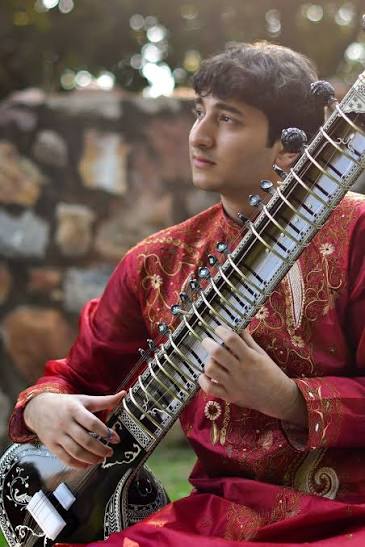
Rishab Rikhiram Sharma is an Indian sitarist, composer and music producer known for bringing Hindustani classical music to audiences through both traditional performance and contemporary arrangements. He comes from the Rikhi Ram family of musical instrument makers and studied sitar with his father, Sanjay Sharma, before becoming a disciple of sitar maestro Pandit Ravi Shankar.
Sharma’s career includes solo performances, recorded music and the Sitar for Mental Health concert series. His work combines the sitar and Indian classical ragas with modern production and mindfulness elements. He has performed at the White House Diwali celebration and at venues ranging from concert halls to large stadiums. His official biography describes him as Ravi Shankar’s youngest and final disciple; established media profiles also report that connection.
Rishab Rikhiram Sharma: Quick Facts
| Detail | Information |
|---|---|
| Full name | Rishab Rikhiram Sharma |
| Profession | Sitarist, composer and music producer |
| Musical background | Hindustani classical music and contemporary production |
| Family background | Fourth generation of the Rikhi Ram family of instrument makers, according to his official biography |
| First sitar teacher | His father, Sanjay Sharma |
| Notable mentor | Pandit Ravi Shankar |
| Education | Studied music production and economics at Queens College, City University of New York |
| Known for | Sitar for Mental Health performances and blending classical sitar with modern sounds |
| Age | Reported as 27 in July 2026; an exact birth date was not confirmed in the sources reviewed |
Early Life and Musical Family
Sharma grew up in a family with a long association with Indian musical instruments. The Rikhi Ram name is linked to instrument making, and his father, Sanjay Sharma, is a master luthier. In a 2026 interview with Singapore publication Tabla!, Sharma discussed growing up around instruments while emphasizing that his musical path was something he chose and developed through practice.
He was introduced to the sitar as a child. Accounts of exactly when he first began lessons vary slightly: his official website says he was introduced to the instrument at age 10, while a 2026 interview quotes him saying that his formal learning began at 11. The distinction may reflect the difference between first encountering the instrument and beginning structured training.
His father became his first teacher. Sharma later performed publicly as a teenager, and his playing drew the attention of Ravi Shankar, one of the best-known sitarists of the 20th century. Shankar became his guru, or teacher. Sharma has described studying with him as an important and formative part of his musical education.
Ravi Shankar’s death in 2012 ended that period of direct study. Sharma’s official biography says he continued his training with Pandit Parimal Sadaphal, one of Shankar’s senior disciples. The combination of family instruction and later mentorship placed him within a tradition of Hindustani classical music while he continued developing his own performance style.
Education and Musical Training
Sharma attended Delhi Public School R.K. Puram before moving to the United States as a teenager. He studied music production and economics at Queens College, part of the City University of New York. His formal study of production and economics gave him experience beyond instrumental performance, including an understanding of recording and the business side of music.
In interviews, Sharma has described listening to styles beyond classical music, including hip-hop and electronic music. He has said that he worked on production alongside his classical training. Rather than treating these interests as contradictory, he has used them to explore how traditional instruments can connect with contemporary listeners.
The sitar remains the center of his musical identity, but his arrangements may include electronic textures, ambient sounds and modern rhythmic elements. Sharma has also spoken about wanting young people to take an interest in Indian classical instruments. His approach is one example of a broader effort by contemporary musicians to present traditional forms in settings that feel accessible to new audiences.
Performance Career and White House Appearance
Sharma’s performances have ranged from smaller cultural events to large-scale public appearances. One of his widely noted engagements was a performance at the White House Diwali celebration on October 24, 2022. An official White House photograph documents him performing at the event.
His own biography describes him as the first sitarist invited to perform solo at the White House. That distinction is a claim from his official site; the White House photograph independently confirms that he performed during the Diwali celebration. Sharma has also performed before large audiences in Houston and at major concert venues, according to his official biography and press coverage.
In addition to solo work, Sharma has appeared in music programs and digital performances. Online video has helped introduce his sitar playing to audiences who may not regularly attend classical concerts. His recordings and performances often place recognizable melodies, traditional ragas or popular songs in a sitar-centered arrangement.
Sitar for Mental Health
Sitar for Mental Health is Sharma’s concert initiative that connects live sitar performance with reflection, mindfulness and conversations about mental well-being. His official site describes the project as a worldwide tour, and concert listings show performances in India and abroad. Coverage by Billboard India describes the live format as combining classical Indian music with breathwork and mindfulness elements.
The project reflects Sharma’s personal interest in the relationship between music and emotional experience. In interviews, he has discussed music as a source of comfort and a way of processing feelings. Concert descriptions invite audiences to pause, listen and reflect during the performance.
It is important to describe the project accurately: it is a concert and awareness initiative, not a substitute for mental health care. Sharma has expressed curiosity about how sitar music may affect listeners, but he has also acknowledged in interviews that sitar-specific scientific studies are limited. Any claim that a performance treats a mental health condition would go beyond the evidence presented in the sources reviewed.
The series has continued to expand. In 2026, Sharma announced international tour dates, including a performance at London’s Royal Albert Hall on October 1 and additional dates in North America later in the year. The tour reflects the growing international reach of his music and of the concert concept.
Music, Releases and Style
Sharma’s official music pages feature original compositions and sitar-led arrangements. Tracks such as “The Burning Ghat,” “Shankara,” “Chanakya” and “Roslyn” appear in his current artist materials. Apple Music lists his releases, while his official website and artist channels provide videos and performance information.
His style draws on Hindustani classical training but is not limited to concert renditions of traditional compositions. He uses production techniques to shape the sitar’s sound for recordings and live shows, sometimes placing it alongside ambient or electronic elements. The result is intended to retain the instrument’s distinctive timbre while giving it a place in contemporary listening environments.
Sharma has also spoken about criticism from traditionalists who prefer a more conventional presentation of classical music. In interviews, he has said that he does not want to be constrained by a single image of what a classical musician should look or sound like. His approach has created discussion about how tradition can be preserved while allowing artists to experiment.
Career Timeline
| Period | Milestone | Significance |
|---|---|---|
| Childhood | Introduced to the sitar by his father, Sanjay Sharma | Began learning within the family’s instrument-making and music tradition. |
| 2011 | Made an early public stage performance | His playing drew the attention of Pandit Ravi Shankar, according to his biography and interviews. |
| Teenage years | Studied with Ravi Shankar | Developed his classical sitar training under a major figure in Indian music. |
| After moving to the United States | Studied music production and economics at Queens College, CUNY | Added formal study of production and economics to his musical education. |
| October 2022 | Performed at the White House Diwali celebration | Reached a high-profile audience at a cultural event hosted by the U.S. president. |
| 2022 onward | Developed the Sitar for Mental Health concert series | Connected live sitar music with reflection and mental health awareness. |
| 2026 | Continued international touring | Performed in India and announced dates in the United Kingdom, Canada and the United States. |
Frequently Asked Questions
Who is Rishab Rikhiram Sharma?
Rishab Rikhiram Sharma is an Indian sitarist, composer and music producer. He is known for his classical training, performances with contemporary production elements and the Sitar for Mental Health concert series.
Who taught Rishab Sharma to play the sitar?
His father, Sanjay Sharma, was his first sitar teacher. Sharma later studied with Pandit Ravi Shankar, whom his official biography describes as his youngest and final disciple.
Did Rishab Rikhiram Sharma perform at the White House?
Yes. He performed at the White House Diwali celebration on October 24, 2022. An official White House photograph records his performance.
What is Sitar for Mental Health?
It is Sharma’s concert series, which pairs sitar performance with themes of mindfulness, reflection and mental health awareness. It should not be understood as clinical treatment or a replacement for professional care.
Where did Rishab Sharma study?
He studied music production and economics at Queens College, City University of New York, after moving to the United States as a teenager.
How old is Rishab Rikhiram Sharma?
A July 2026 profile described him as 27. The exact birth date was not confirmed by the reliable sources reviewed for this article.
Final Word
Rishab Rikhiram Sharma’s career brings together a family legacy in instrument making, classical sitar training and a modern approach to performance and production. His study with Ravi Shankar, White House appearance and international Sitar for Mental Health concerts have helped bring his work to a wider audience.
His musical identity is rooted in Hindustani classical tradition, while his recordings and live shows incorporate contemporary elements. The mental health theme is an important part of his public work, but it is best described as an artistic and awareness project rather than a medical service. For confirmed dates and releases, readers can check his official site and verified artist channels.