

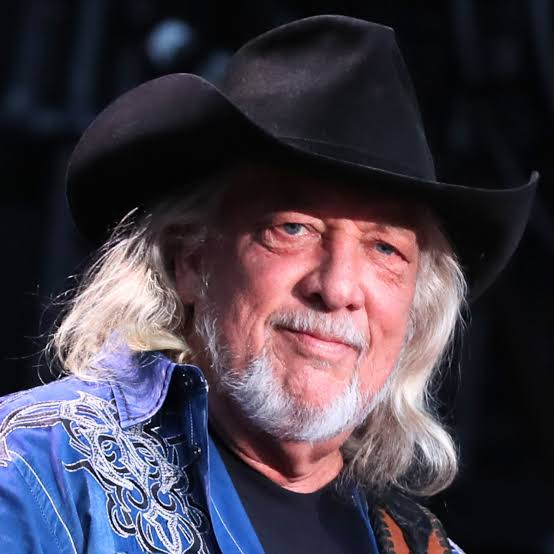
| Full name | John David Anderson |
|---|---|
| Known as | John Anderson |
| Born | December 13, 1954 |
| Birthplace | Florida, United States |
| Died | October 21, 2026 |
| Age at death | 71 |
| Nationality | American |
| Profession | Country singer and songwriter |
| Music genres | Country, honky-tonk, and neotraditional country |
| Years active | From the 1970s through the 2020s |
| Record labels | His career included releases with Warner Bros., MCA, BNA, RCA, and other labels |
| Major songs | “Swingin’,” “Wild and Blue,” “Black Sheep,” “Straight Tequila Night,” and “Seminole Wind” |
| Nashville Songwriters Hall of Fame | Inducted in 2014 |
| Country Music Hall of Fame | Inducted in 2024 |
| Last studio album | Years, released in 2020 |
How old was John Anderson?
John Anderson was 71 when he died on October 21, 2026. The Country Music Hall of Fame lists his birth date as December 13, 1954. Because he died before his birthday in 2026, he had not yet turned 72. His family announced his death through his official social media pages, and news reports gave his age as 71. (Country Music Hall of Fame; KALB/KSLA)
When a person’s age is calculated from their birth and death dates, the birthday matters. Anderson was born in December and died in October, so he was still 71 at the time of his death. That is why some short summaries may say “1954–2026, aged 71,” even though subtracting the years alone might suggest 72.
Early life and move to Nashville
Anderson grew up in Apopka, Florida. Music became important to him early: the Country Music Hall of Fame notes that he played in garage rock bands during his school years and had decided by age 12 that he wanted to become a professional musician. His first musical interests included rock artists, but hearing country performers such as George Jones and Merle Haggard helped steer him toward country music. (Country Music Hall of Fame)
After finishing high school, Anderson headed to Nashville, Tennessee, at about 17. Like many young musicians arriving in Music City, he had to build his career gradually. He worked everyday jobs while looking for opportunities to perform and write. The Country Music Hall of Fame recounts that he took a roofing job at the Grand Ole Opry House while pursuing music in the evenings.
Those early years brought him into contact with the city’s songwriters, publishers, performers, and record companies. Anderson’s voice stood out: it was expressive and instantly recognizable, with a rough-edged tone that suited both lively songs and more reflective material. Rather than sounding polished in a generic way, he brought a distinct personality to his recordings.
Breakthrough and rise in country music
Anderson’s first major chart success arrived in the late 1970s. His early recordings established him as a country artist with a clear identity, and the success of songs such as “Your Lying Blue Eyes” helped bring wider attention. During the early 1980s, he released music that would become central to his reputation, including “Wild and Blue” and “Swingin’.”
“Swingin’” became one of Anderson’s signature songs. Its playful rhythm and memorable vocal delivery helped it connect with audiences, while the arrangement carried a lively honky-tonk feel. The song became a defining recording in his career and remains one of the titles most closely associated with him.
He followed it with additional hits, including “Black Sheep.” Across his recording career, Anderson charted more than 40 singles on Billboard’s country charts, according to biographical summaries. Several reached No. 1, while “Seminole Wind” became one of his best-known songs despite peaking just below the top position on the chart.
“Seminole Wind” and enduring songs
“Seminole Wind” is among Anderson’s most enduring recordings. Released in the early 1990s, the song joined a memorable melody with lyrics about Florida’s landscape, the Everglades, and the consequences of development. Its subject matter gave it a reflective quality that set it apart from a straightforward party song or love ballad.
The song became particularly meaningful to listeners who connected with its sense of place and concern for the natural environment. Anderson’s delivery made the story feel personal, while the arrangement helped the track reach listeners beyond a narrow country audience. It remains a frequent point of entry for people discovering his catalog.
Other popular songs from his career include “Straight Tequila Night” and “Money in the Bank.” “Straight Tequila Night,” recorded in the early 1990s, introduced a new generation of listeners to Anderson’s voice. “Money in the Bank” further demonstrated his ability to deliver upbeat songs with an easy, conversational style.
His body of work also included albums that explored different sides of country music, from traditional influences to contemporary production. Anderson continued recording through changing industry trends, while maintaining the vocal character and musical roots that made his work recognizable.
Career longevity and later music
Anderson’s career lasted through several major changes in country music: the rise of radio-driven country in the 1980s, the commercial boom of the 1990s, the growth of digital distribution, and the streaming era. He remained an active performer and recording artist across those shifts.
His final studio album, Years, was released in 2020. Produced by David Ferguson and Dan Auerbach, the record brought Anderson’s voice to a collection of songs that suited his mature style. Rather than trying to recreate the sound of a particular chart era, the album presented him as an experienced singer continuing to interpret and record music on his own terms.
In addition to his own recordings, Anderson’s songs and vocal style influenced other country musicians. Artists and fans often praised his individuality—especially the quality of his voice and the way he could make a song sound unmistakably like his own. His influence was not limited to hit singles; it also came from the example of sustaining a recognizable artistic identity over decades.
Hall of Fame honors
Anderson’s contributions were recognized by the Nashville Songwriters Hall of Fame, which inducted him in 2014. In 2024, he was elected to the Country Music Hall of Fame in the Veterans Era Artist category. The museum describes the honor as recognition of significant contributions to country music’s creative and business communities. (Country Music Hall of Fame biography; 2024 induction announcement)
Hall of Fame recognition placed Anderson among artists whose influence extended beyond a single hit or period. His induction acknowledged a long career built on distinctive singing, songwriting, touring, and a connection to country music’s traditions. It also introduced his work to new listeners who may have known the songs before they knew the story of the artist behind them.
John Anderson’s age and musical legacy
Anderson’s age at death—71—marks the end of a life spent pursuing music, but his recordings continue to circulate among fans and country radio listeners. Songs such as “Swingin’,” “Wild and Blue,” “Straight Tequila Night,” “Money in the Bank,” and “Seminole Wind” preserve different facets of his career: playful, traditional, energetic, and reflective.
His journey from Florida to Nashville also reflects a familiar country music story: a young musician with a clear ambition, years of persistence, and a voice that eventually found a broad audience. Anderson’s path was his own, shaped by his musical influences and the choices he made as a performer and recording artist.
For readers searching “John Anderson age,” the direct answer is that he died at 71. For listeners, the more lasting answer lies in the music. His songs remain a reminder of how an individual voice and a strong sense of musical character can endure long after the charts and release dates have passed.
Frequently asked questions
How old was John Anderson when he died?
John Anderson was 71 when he died on October 21, 2026.
When was John Anderson born?
He was born on December 13, 1954, according to the Country Music Hall of Fame.
Why was John Anderson still 71 in 2026?
He died in October, before his December birthday. He would have turned 72 on December 13, 2026.
What was John Anderson famous for?
He was a country singer known for songs such as “Swingin’,” “Wild and Blue,” “Straight Tequila Night,” “Money in the Bank,” and “Seminole Wind.”
Was John Anderson in the Country Music Hall of Fame?
Yes. He was inducted in 2024 in the Veterans Era Artist category.
Where was John Anderson from?
He grew up in Apopka, Florida, and later moved to Nashville to pursue a career in country music.
What was John Anderson’s last album?
His final studio album, Years, was released in 2020.
Was John Anderson the same singer as Jon Anderson from Yes?
No. Country singer John Anderson was born in 1954 and recorded songs such as “Seminole Wind.” Jon Anderson, whose birth name is John Roy Anderson, is the English singer best known as the lead vocalist of the rock band Yes.
Final Word
John Anderson was 71 years old when he died, but his musical story stretches across more than four decades. From his early move to Nashville to his 2024 Country Music Hall of Fame induction, he built a lasting place in country music through a distinctive voice and a catalog of memorable songs. For anyone searching his age, the answer is clear: 71. His legacy is heard in the recordings that continue to connect with country music fans.