

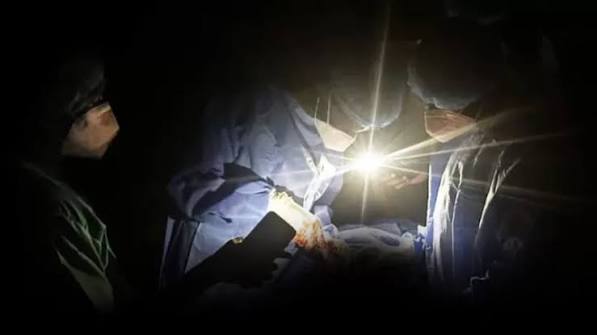
A BBC investigation has found evidence that Sudan’s Rapid Support Forces (RSF) repeatedly attacked hospitals and other healthcare sites during the siege and takeover of el-Fasher, the capital of North Darfur. The BBC documented at least 43 attacks on medical facilities between May 2024 and October 2025, drawing on accounts from people who were in the city and a detailed chronology of damage to healthcare sites.
The findings include allegations from doctors that attacks were deliberate and aimed at driving hospitals out of service. The RSF rejects the BBC’s conclusions, calling them propaganda. The United Nations human rights chief described the findings as deeply disturbing and said attacks on civilian infrastructure, including health facilities, may amount to war crimes. These are serious allegations, and responsibility for individual incidents must be assessed using evidence and applicable legal processes.
What the BBC Investigation Found
The BBC investigation examined attacks on hospitals and medical facilities in el-Fasher during the siege that preceded the RSF takeover in October 2025. It reported at least 43 separate attacks on hospitals and healthcare sites from May 2024 to October 2025, with some facilities struck more than once.
It also documented the toll on medical workers from April 2023 to October 2025: 55 killed, 120 injured and 10 forcibly disappeared or abducted, according to the BBC’s data. The figures cover the period and locations included in the BBC’s investigation; they should not be read as a complete count of every attack or casualty across Sudan.
Doctors interviewed by the BBC described repeated shelling and drone strikes, including attacks on facilities that continued receiving patients after other hospitals closed. Medical workers said some facilities moved to alternative buildings, but those locations were also struck. The BBC’s reporting therefore describes not only damage to hospital buildings but the progressive loss of places where residents could obtain surgery, dialysis and emergency treatment.
Why El-Fasher’s Hospitals Mattered
El-Fasher is a major city in Darfur, western Sudan. It became a focal point of the civil war between the RSF and Sudan’s Armed Forces (SAF), which began in April 2023. As fighting intensified, some of the city’s medical facilities closed or relocated. The Teaching Hospital’s operations were moved to South Hospital, which became a key site for surgical care.
By late May and early June 2024, South Hospital was reportedly shelled several times. A surgeon interviewed by the BBC said the area was crowded because it was the only functioning hospital in the city providing surgical services. Staff were treating injured patients when the facility came under attack.
The loss or interruption of a hospital has consequences well beyond its walls. Patients who need urgent surgery may have nowhere safe to go. People with chronic conditions can lose access to regular treatment. Ambulances, medical supplies, staff and referral routes can become unavailable. When facilities close or are hit repeatedly, civilians may be left without reliable access to lifesaving care.
South Hospital Raid and Disputed Claims
The BBC reported that RSF fighters entered South Hospital on June 8, 2024. Staff described fleeing as fighters came into the building. The hospital’s director, surgeon Izzeldin Ahmed Dawaud Asow, told the BBC that he was beaten and left for dead. He later returned to find patients dead and surgical equipment destroyed, according to his account.
The RSF-backed government’s health minister, surgeon Alaa Eldin Nugud, told the BBC that South Hospital had been used as a military base. International humanitarian law allows a medical facility to lose its special protection if it is used to commit acts harmful to an adversary, subject to legal requirements and warnings. The BBC said it found no independent evidence supporting the minister’s claims, and the regional government rejected them.
This dispute is central to assessing the events. The presence of combatants or military activity at a medical facility can raise legal questions, but it does not automatically establish that every attack was lawful. Each incident requires careful examination of what happened, the information available to those making decisions, and whether legal protections and precautions were respected.
Saudi Hospital and Relocated Medical Sites
After South Hospital closed, staff and remaining equipment were moved to Saudi Maternity Hospital. The BBC reported that the rate of attacks on this facility increased after it began receiving patients and services from elsewhere. Six doctors interviewed by the BBC described what they saw as a pattern of systematic targeting. They said the hospital was repeatedly hit by shelling and drones, with one doctor reporting that it was attacked as many as 25 times on some days.
Other medical sites were also affected. The BBC’s chronology described private hospitals and neighbourhood clinics closing. The Specialised Children’s Hospital moved twice, and both new locations were reportedly shelled and forced to close. The city’s main dialysis centre was struck, then attacked again after it relocated.
By the time the RSF seized el-Fasher in October 2025, the Saudi Hospital was reportedly the only functioning medical facility remaining. Staff had built protective barriers and improvised underground spaces using steel containers. They also established alternative sites for receiving patients and performing surgery as the hospital building became increasingly damaged.
Attacks During Patient Transfers
Doctors told the BBC that threats continued even when medical teams tried to move patients to makeshift wards. Surgeon Asow said a drone followed people carrying injured patients to a temporary site on March 15, 2025. He said it struck near the entrance, killing nine people.
He also described an August 17, 2025 incident in which a donkey cart was transporting patients to an alternative operating theatre because ambulances had been destroyed. According to his account, a drone hit the cart, killing two patients and the driver, as well as the donkey.
These accounts were presented as witness testimony to the BBC. They illustrate the risks faced by patients and healthcare workers when the normal system of ambulances, functioning hospitals and secure routes breaks down. Independent verification of each reported incident is important, particularly in an active conflict where access to the area and reliable documentation can be difficult.
RSF Response and UN Reaction
The RSF rejected the BBC’s findings. Its health minister described the allegations as propaganda and said medical workers who spoke to the BBC were aligned with the Sudanese army and its local allies. The minister also said that some captured doctors had been “freed” after the RSF took el-Fasher.
The BBC interviewed one doctor who appeared in an RSF video. He told the broadcaster that he had been forced to remain and work. Another medical worker described being detained and said staff had little choice about where they worked. These accounts differ sharply from the RSF-backed government’s explanation, and the BBC presented both positions.
UN High Commissioner for Human Rights Volker Türk said the BBC’s findings were consistent with the UN office’s monitoring and documentation. He said RSF attacks had repeatedly struck el-Fasher’s main hospitals and makeshift health facilities, damaging or destroying them and severely affecting healthcare access for civilians trapped in the city.
The BBC also noted that both sides in Sudan’s war have been accused of attacks on healthcare. In a separate context, WHO condemned the bombing of al-Daein hospital in eastern Darfur in March 2026. Sudan’s military was believed to have carried out those drone strikes but denied responsibility. The wider pattern makes independent documentation and attribution essential.
What International Law Says About Healthcare
Hospitals, medical personnel and patients are protected under international humanitarian law. Parties to an armed conflict must respect and protect medical units and take precautions to limit civilian harm. A medical facility can lose protection in certain circumstances if it is used for harmful acts outside its humanitarian function, but that determination depends on the facts and legal standards.
The BBC reported that Türk said attacks on civilian infrastructure, including health facilities, may amount to war crimes. That is not the same as a court finding that a particular person or group is guilty of a war crime. A legal determination requires evidence, jurisdiction and a competent judicial process.
The UN Independent International Fact-Finding Mission for Sudan has separately reported that both the SAF and RSF have carried out large-scale attacks on civilians and essential infrastructure. Its 2025 report described extensive damage to medical centres and other services necessary for survival. The mission’s broader findings provide context for the dangers facing civilians but do not replace investigation of each specific hospital attack.
Impact on Patients and Medical Workers
The reported attacks left residents with fewer places to seek care at a time when the city was under siege. Hospitals are often critical not only for treating injuries caused by fighting, but also for childbirth, dialysis, childhood illness, infections and other urgent medical needs. When those services disappear, patients may face longer journeys, delayed treatment or no care at all.
Healthcare workers also faced direct risks. The BBC’s figures of 55 medical workers killed, 120 injured and 10 abducted or forcibly disappeared show the human cost described in its investigation. Doctors interviewed for the report spoke of working in damaged buildings, relocating operating rooms and trying to continue care during repeated attacks.
The situation in el-Fasher is part of a broader national health emergency. In April 2026, WHO and UNICEF reported that the WHO had verified 214 attacks on healthcare across Sudan since the conflict began, resulting in 2,042 deaths and 785 injuries. Those national figures come from a separate WHO verification effort and cover a different scope and period than the BBC’s el-Fasher investigation.
El-Fasher After the Takeover
The RSF took control of el-Fasher in October 2025. The BBC reported that the takeover culminated in an assault on the Saudi Hospital on October 25 amid allegations that more than 460 patients and companions were killed. The RSF denied that a massacre occurred. WHO condemned the reported killings, while satellite imagery appeared to show clusters of bodies on the hospital grounds.
The RSF-backed authorities later released videos showing the Saudi Hospital and Teaching Hospital cleaned and receiving some patients. The health minister said South Hospital was expected to reopen. These images and statements indicate an effort to restore services, but they do not establish that healthcare access has returned to prewar conditions or that residents can safely obtain treatment across the city.
A year after the takeover, the BBC said the front lines had shifted elsewhere but that the conflict remained unresolved and attacks on healthcare continued as part of the humanitarian crisis. The condition of facilities, the freedom of medical workers and patients, and the ability of humanitarian groups to operate remain important questions.
Key Facts from the BBC Investigation
| Item | What the investigation reported |
|---|---|
| Location | El-Fasher, North Darfur, Sudan |
| Period of hospital attacks documented | May 2024 to October 2025 |
| Attacks counted by the BBC | At least 43 attacks on hospitals and healthcare sites |
| Medical workers killed | 55 between April 2023 and October 2025, in the BBC’s data |
| Medical workers injured | 120 in the same period, according to the BBC |
| Medical workers abducted or disappeared | 10, according to the BBC’s data |
| RSF position | Rejected the findings and called the allegations propaganda |
| UN response | Human rights chief Volker Türk called the findings deeply disturbing |
| Legal status | Potential war crimes were raised; no court finding is implied by the BBC report |
Frequently Asked Questions
What did the BBC investigation find about hospitals in el-Fasher?
The BBC documented at least 43 attacks on hospitals and healthcare sites in el-Fasher between May 2024 and October 2025. Doctors described repeated attacks, including on facilities that continued treating patients.
Who are the RSF fighters?
The Rapid Support Forces are a Sudanese paramilitary force fighting the Sudanese Armed Forces in a civil war that began in April 2023.
Does the RSF accept the BBC’s findings?
No. The RSF rejected the investigation’s findings and described the allegations as propaganda. Its health minister also alleged that South Hospital had been used as a military base; the BBC said it found no independent evidence supporting that claim.
Did the United Nations call the attacks war crimes?
UN human rights chief Volker Türk said multiple attacks on civilian infrastructure, including health facilities, may amount to war crimes. That statement is not a court judgment about the responsibility of a particular person or group for each attack.
How many healthcare workers were affected?
The BBC’s data for April 2023 to October 2025 recorded 55 medical workers killed, 120 injured and 10 abducted or forcibly disappeared in el-Fasher.
Were the attacks limited to RSF-controlled territory?
No. Healthcare attacks have been reported across Sudan, and both sides in the conflict have faced accusations. The BBC investigation focused specifically on attacks in el-Fasher and attributed the pattern it documented to RSF fighters, while also noting separate allegations involving the Sudanese military elsewhere.
Final Word
The BBC investigation describes the collapse of healthcare in el-Fasher as a process shaped by repeated attacks, closures and the targeting of facilities after they relocated. Its documentation of at least 43 attacks and the reported deaths, injuries and disappearance of medical workers presents a grave picture of the risks faced by patients and staff.
The RSF disputes the findings, and allegations about individual attacks and responsibility require careful, independent investigation. What is clear from the reporting by the BBC, the UN and health agencies is that Sudan’s conflict has severely damaged access to medical care. Protecting hospitals, healthcare workers and patients—and establishing accountability through credible processes—remains urgent.